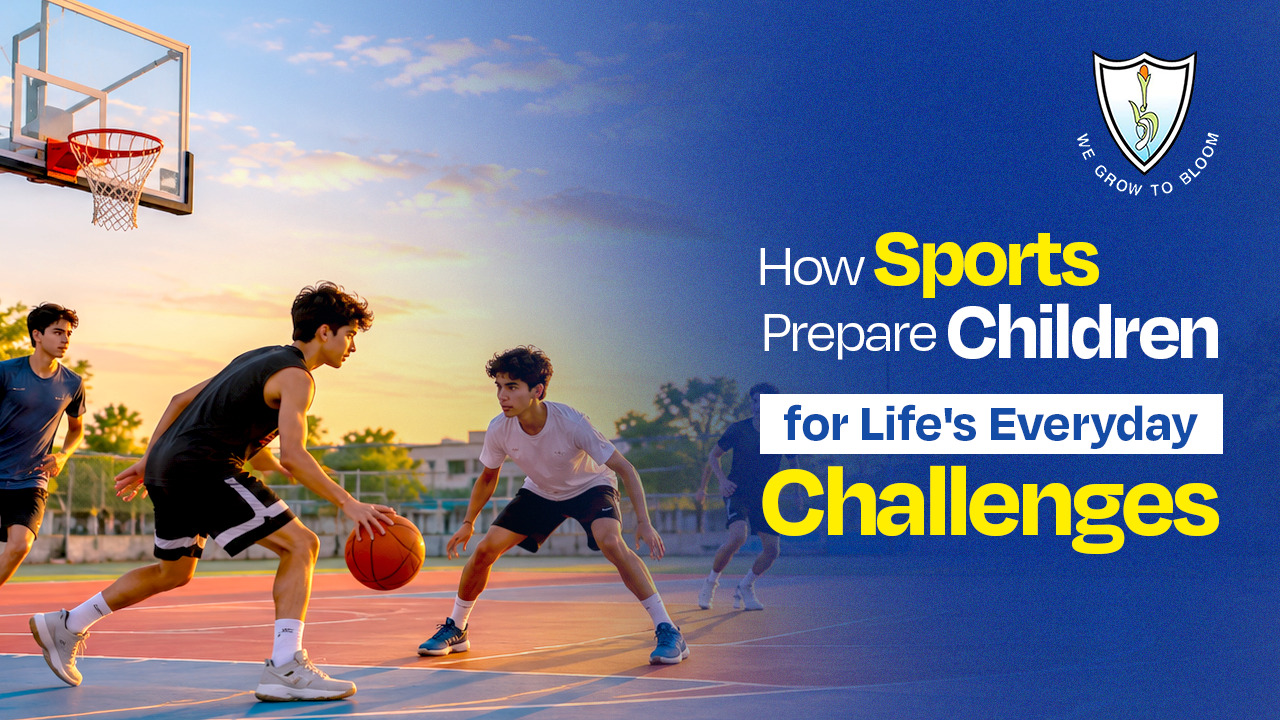
How Sports Prepare Children for Life’s Everyday Challenges
Every parent hopes their child will be prepared for the challenges life brings. Good grades and academic success are important, but they are only one part of a child’s development. Life also demands confidence, resilience, discipline, and the ability to adapt when things do not go as planned.
These qualities are often built through experiences rather than textbooks. Sports provide children with opportunities to face challenges, learn from mistakes, work as part of a team, and develop the determination to keep going after setbacks.
That is why sports are much more than just games. They help children build the life skills needed to handle everyday challenges and grow into well-rounded, confident individuals
In This Article
Building Confidence Through Challenges in Sports
Every parent enjoys seeing their child succeed, but some of the most important lessons come from the moments that don’t go as planned.
Admissions Open
Give Your Child the Best Start
Join Seedling Modern High School and unlock a world-class learning environment built for tomorrow's leaders.
Apply for Admission →Whether it’s losing a match, missing a goal, or struggling to master a new skill, sports teach children that growth takes time and effort. They learn that setbacks are a natural part of the learning process, not a reason to give up.
When children continue to practice, improve, and try again after a disappointing result, they gradually build confidence in their abilities. They begin to understand that success is not about being perfect; it’s about showing resilience and perseverance.
Over time, this confidence extends beyond the playing field. It helps children approach academic challenges, social situations, and new opportunities with greater self-belief and determination.
Through sports, children learn one of life’s most valuable lessons: confidence is built not by avoiding challenges, but by learning how to overcome them.
Learning Teamwork Through Sports
As parents, we all want our children to grow into individuals who can communicate well, build meaningful relationships, and work effectively with others. One of the most natural ways children develop these skills is through sports.
Sports teach children that every team member has a role to play. Sometimes they lead, and sometimes they support others. Through these experiences, they develop empathy, patience, and a stronger understanding of how their actions can impact those around them.
These lessons extend far beyond sports. The ability to collaborate, solve problems together, and contribute positively to a team becomes valuable in the classroom, future careers, and everyday life. By participating in sports, children build teamwork skills that will continue to benefit them long after the final whistle.
Make Children More Disciplined and Responsible
As parents, we all know how difficult it can be to help children stay consistent with their studies and responsibilities. Sports naturally encourage this habit.
Through regular practice sessions, training schedules, and team commitments, children learn the value of showing up, staying dedicated, and following through on their responsibilities. They begin to understand that progress comes from consistent effort, not just talent.
Over time, these habits extend beyond the sports field. Children often become more disciplined, organized, and responsible in their academics and daily routines. Sports teach them an important lesson that stays with them for life: success comes from commitment, consistency, and effort.
Sports Help Children Stay Calm Under Pressure
Many parents notice their children becoming anxious during exams, overwhelmed by setbacks, or unsure how to react when things do not go as planned. Learning to stay calm in these moments is an important life skill.
Sports regularly place children in situations where they must think quickly, make decisions, and adapt when challenges arise. Whether a game takes an unexpected turn or a strategy needs to change, children learn to stay focused and keep moving forward.
Over time, these experiences help them develop confidence, self-control, and the ability to handle pressure more effectively. These skills extend far beyond the sports field, helping children navigate exams, friendships, and everyday challenges with a calmer and more positive mindset.
One of the lasting benefits of sports is that they teach children how to face difficult situations with confidence rather than panic.
Build Emotional Strength
As parents, it can be difficult to watch children struggle with frustration, disappointment, or stress. Yet these moments often become valuable opportunities for growth.
Sports expose children to a range of emotions from pre-game nerves and competitive pressure to setbacks and unexpected challenges. Over time, they learn how to manage these feelings, stay focused, and keep moving forward.
With regular participation, children develop greater self-control, patience, and confidence when facing difficult situations. These skills extend beyond the sports field, helping them handle academic pressure, friendship challenges, and everyday ups and downs more effectively.
One of the greatest benefits of sports is that they teach children an important life lesson: emotions are natural, but they do not have to control how we respond.
Develop Leadership Skills
Leadership is not limited to team captains or student leaders. Every child has the potential to develop leadership qualities when given the right opportunities.
Sports naturally create situations where children learn to take responsibility, support their teammates, make decisions, and lead by example. Whether it is encouraging a teammate after a setback or staying positive during a challenging match, these everyday moments help build confidence and accountability.
Over time, children learn that leadership is not about being the loudest person in the group. It is about showing responsibility, earning trust, and stepping forward when needed. These qualities benefit them not only in school but also in future careers, relationships, and everyday life.
How Sports Help Children Adapt to Change
Many parents notice that their children struggle when plans change or things do not go as expected. Learning to adapt is an important life skill, and sports provide countless opportunities to develop it.
Every game presents new situations, whether it is facing a different opponent, adjusting to changing conditions, or responding to an unexpected challenge. Through these experiences, children learn to stay focused, think quickly, and adapt when things do not go according to plan.
Over time, this helps them become more confident in handling uncertainty. Whether it is a change in routine, a school challenge, or a new environment, children who participate in sports often find it easier to adjust and move forward with a positive mindset.
One of the greatest gifts sports offer is teaching children that change is not something to fear; it is something they can learn to navigate with confidence.
Sports Teach Children the Value of Continuous Improvement
One of the greatest lessons sports teach children is that improvement comes through effort and practice. Every new skill they learn and every challenge they overcome shows them that progress is possible.
Whether it is running faster, improving their technique, or gaining confidence in a game, children see firsthand how consistent effort leads to growth. This helps them understand that success is not about being naturally talented; it is about being willing to learn and improve.
Over time, children begin to approach challenges with greater confidence and a more positive mindset. Instead of being discouraged by setbacks, they learn to view them as opportunities to learn and get better.
This belief in their ability to grow can have a lasting impact, helping them face academic challenges, personal goals, and future opportunities with confidence and determination.
The Right School Prepares Children for Life, Not Just Exams
Every parent wants their child to succeed academically. But beyond marks and report cards, parents also hope their children grow into confident, disciplined, compassionate, and capable individuals who can navigate life’s challenges with confidence.
These qualities are not developed through academics alone. They are shaped through experiences, opportunities, and an environment that encourages children to learn both inside and outside the classroom.
This is why choosing the right school matters. A school that values sports, creativity, leadership, and character development alongside academics helps children build skills that stay with them for life.
At Seedling Modern High School, sports are not viewed as an extracurricular activity; they are an integral part of a child’s overall development. Through structured sports programs and holistic learning experiences, we strive to nurture students who are not only academically accomplished but also confident, responsible, and prepared for the opportunities and challenges that life presents.
Ready to Enrol?
Begin Your Admission Journey
Seats are limited. Secure your child's place at Seedling Modern High School today.
Enquire Now →Written by
SPS Editorial Team
SPS Editorial Team creates trusted educational content for Seedling Public School (SPS). Our articles are developed with insights from experienced educators and academic professionals, ensuring every piece is accurate, practical, and relevant. We are committed to providing reliable resources that support students, parents, and lifelong learning.