Why CBSE Education Is a Good Choice for Future-Ready Students
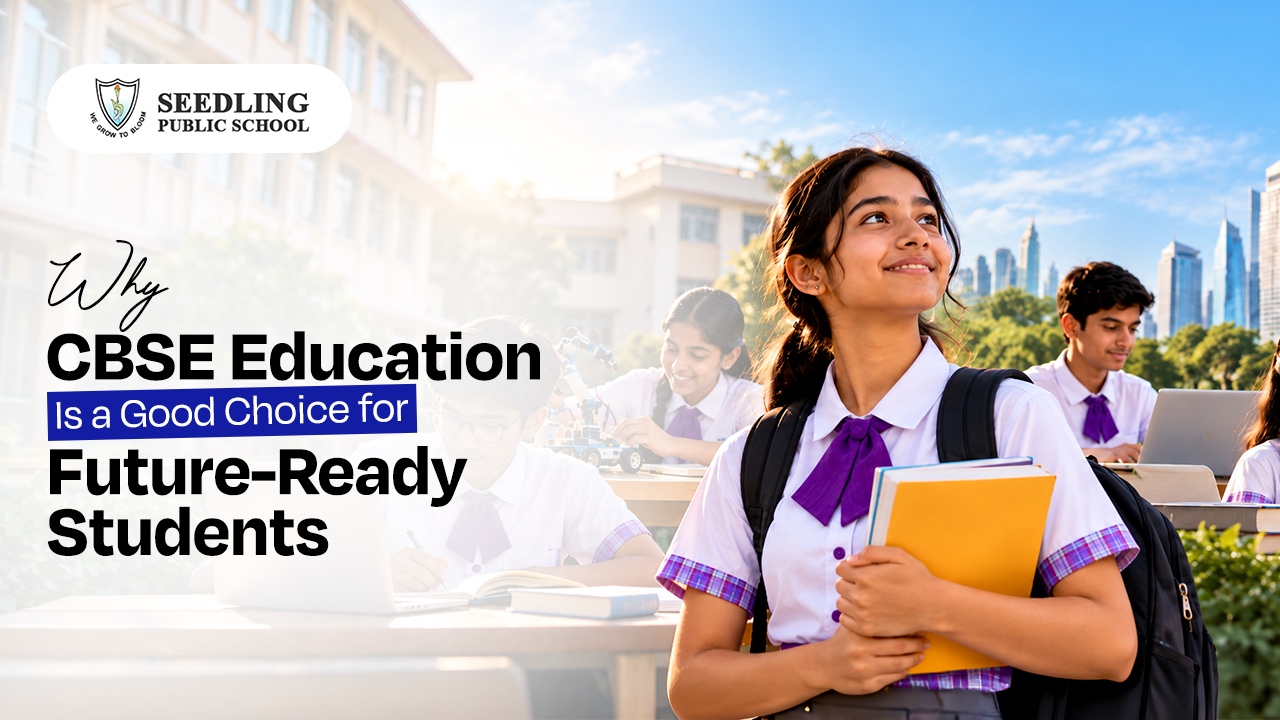
Preparing students for the future involves more than academic achievement. Critical thinking, communication, problem-solving, and adaptability are equally important for higher education and changing career opportunities.
CBSE education provides a structured academic framework, but students’ development also depends on teaching methods, practical learning, and opportunities to think independently.
For parents exploring Best CBSE school in Jaipur, understanding how these elements shape everyday learning can help them make an informed choice.
In This Article
What Is CBSE Education?
The Central Board of Secondary Education (CBSE) is a national school education board in India that establishes curriculum and assessment frameworks for affiliated schools. Its structured curriculum helps students progress from foundational concepts to advanced topics, building subject knowledge for board examinations and further studies.
Admissions Open
Give Your Child the Best Start
Join Seedling Modern High School and unlock a world-class learning environment built for tomorrow's leaders.
Apply for Admission →However, learning also depends on teaching methods, classroom participation, and opportunities to apply knowledge. Practical activities, constructive feedback, and independent thinking can help students develop academic and broader learning skills.
How CBSE Education Can Help Students Become Future-Ready
Preparing students for the future involves more than achieving good marks. Students also need to understand concepts, solve problems, communicate effectively, and apply their knowledge in unfamiliar situations. CBSE’s Competency-Based Education framework provides relevant guidance on developing students’ ability to apply learning and demonstrate competencies.
1. It Builds a Strong Academic Foundation
The CBSE curriculum provides the academic framework for subject learning in affiliated schools. A structured curriculum helps students build knowledge progressively across mathematics, science, languages, and social sciences, supporting further learning as they advance through school.
2. It Develops Critical Thinking and Problem-Solving Skills
CBSE’s Competency-Based Education framework supports a learning approach focused on demonstrating understanding and applying knowledge. Activities that encourage questioning, investigation, and evidence-based reasoning can help students move beyond memorising facts towards understanding how and why something works.
3. It Connects Classroom Learning with Real-World Applications
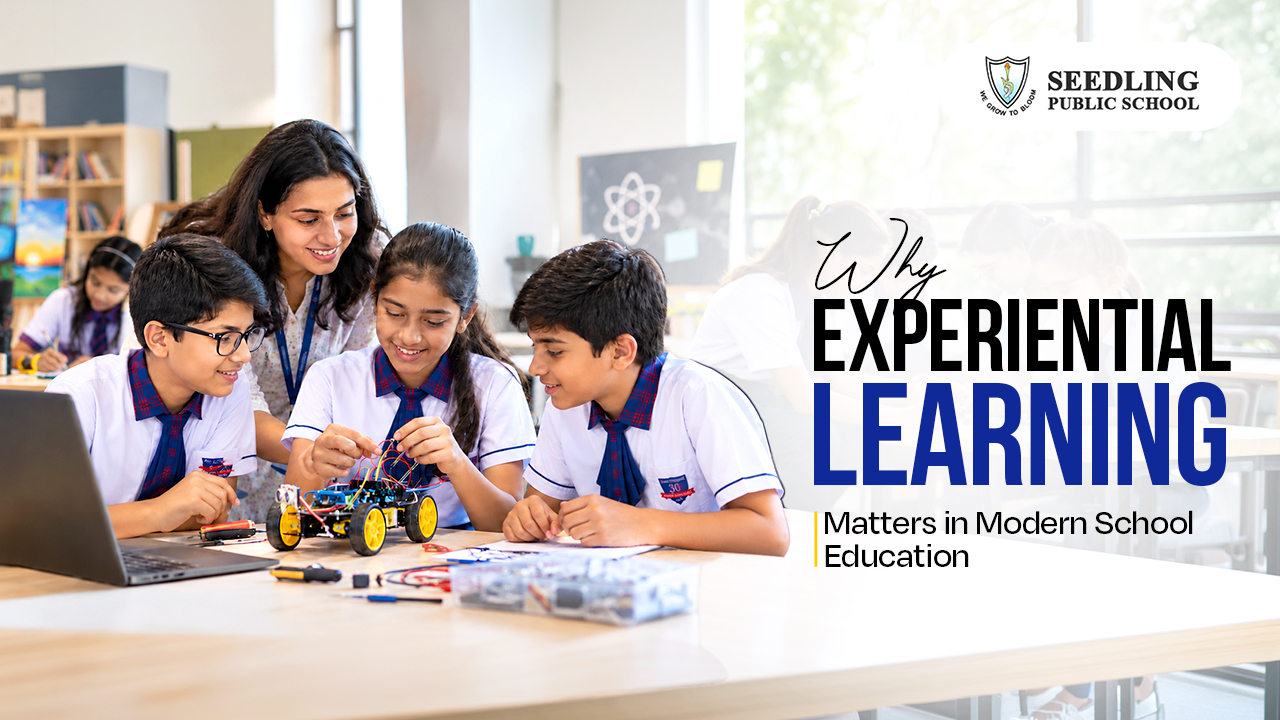
Practical learning helps students understand the relevance of academic concepts. The National Education Policy 2020 provides broader policy context for experiential learning and the application of knowledge. Experiments, case studies, presentations, and interdisciplinary projects can give students opportunities to explore ideas and learn through experience.
4. It Strengthens Communication and Collaboration
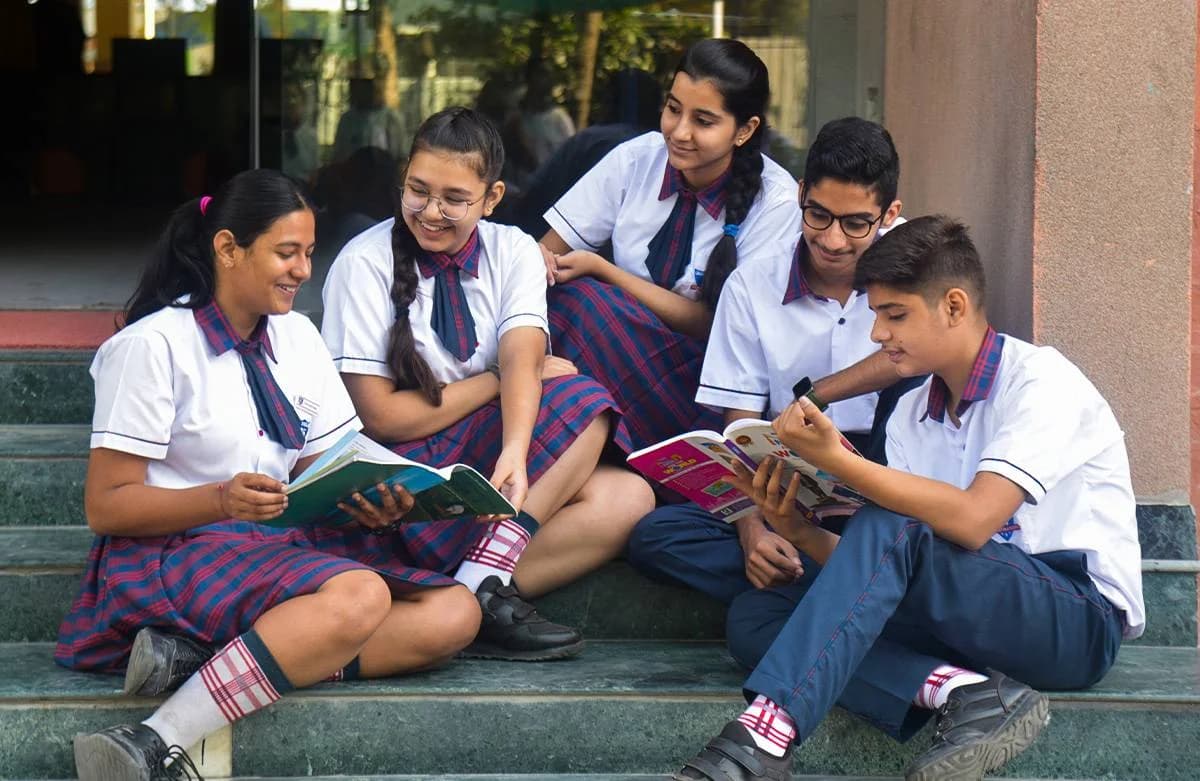
Discussions, debates, presentations, and group assignments create opportunities for students to exchange ideas, consider different viewpoints, and work towards shared goals. The effectiveness of these activities depends on how teachers structure participation and support collaborative learning.
5. It Encourages Independent Learning and Adaptability
Students benefit from learning how to organise their work, evaluate information, respond to feedback, and adjust their approach when they face difficulties. These habits can support the transition to higher education, where independent study and personal responsibility become increasingly important.
What Future-Ready Learning Looks Like in Practice
Preparing students for a changing world requires more than academic knowledge. Students need to analyse information, use technology responsibly, communicate effectively, and take ownership of their learning. CBSE’s competency-based education approach and pedagogical practices provide a framework for connecting classroom learning with practical application, collaboration, and independent thinking.
| Future-Ready Skill | Classroom Example | What Students Develop |
| Analytical Thinking | Interpreting graphs, comparing scientific results, and explaining conclusions using evidence. | Logical reasoning, critical thinking, and problem-solving. |
| Digital Awareness | Researching a topic using credible online sources and checking information before including it in a project. | Digital literacy, information evaluation, and responsible technology use. |
| Communication | Presenting project findings, participating in debates, and discussing different viewpoints during group activities. | Clear expression, active listening, and collaboration. |
| Independent Learning | Planning assignments, tracking study progress, and revising work using teacher feedback. | Self-management, accountability, and continuous improvement. |
These skills develop through meaningful learning experiences, effective teaching, and regular practice. The focus is on helping students apply knowledge, make informed decisions, and become increasingly confident and independent learners.
What Should Parents Look for in a CBSE School?
Choosing a school is an important decision because the learning environment influences how children learn, interact, and develop over time. When comparing a CBSE school in Jaipur, parents should look beyond board affiliation and consider how the school puts its educational approach into practice. CBSE’s Competency-Based Education framework offers useful context for evaluating conceptual understanding, practical application, assessment, and support for individual learning needs.
Some useful questions to ask include:
- Does the school focus on conceptual understanding as well as syllabus completion?
- Are students encouraged to ask questions and participate in classroom discussions?
- Are practical activities, projects, and experiments part of the learning experience?
- How does the school assess student progress and address learning gaps?
- Do students have opportunities to develop communication, creativity, and teamwork?
- How are digital tools and technology integrated into learning?
- What academic guidance is available as students move towards higher classes?
- How does the school support students’ interests beyond regular classroom lessons?
- How does the school communicate with parents about academic progress and development?
Parents should also review the school’s infrastructure, teacher support, student well-being arrangements, extracurricular opportunities, and approach to individual learning needs. The CBSE affiliation information and infrastructure requirements can help parents understand the facilities and provisions to look for. The CBSE safety guidelines are also worth consulting when assessing a school’s safety arrangements.
For example, the published curriculum information from Seedling Modern High School describes experiential learning, technology-enabled classrooms, library resources, sports and physical education, and constructive feedback for students and parents. These are useful examples of the details parents can examine when comparing how schools approach learning in practice.
Facilities and academic results can help inform a decision, but neither tells the whole story. Parents should consider how resources are used, how teachers support students, and whether the school’s approach aligns with their child’s needs and interests.
Why Is Holistic Development Important in CBSE Education?
Holistic development goes beyond academic performance to support students’ physical well-being, creativity, social relationships, and emotional growth. The National Education Policy 2020 emphasises well-rounded learning that supports students’ development across multiple areas. A balanced school environment can give students opportunities to explore interests, build confidence, and develop healthy habits alongside classroom learning.
- Physical Well-being: Sports, exercise, and regular movement can help students develop fitness, discipline, and perseverance while encouraging active lifestyles.
- Creativity and Self-Expression: Art, music, drama, and other creative pursuits allow students to explore interests, express ideas, and approach challenges from different perspectives.
- Social and Emotional Development: Team activities, reflection, and supportive relationships can help students develop empathy, build confidence, manage setbacks, and respect others.
- Balance Between Academics, Activities, and Rest: A well-planned school routine should make room for academic learning, extracurricular activities, physical movement, and adequate rest, supporting students’ overall well-being.
Holistic development complements academic learning rather than replacing it. By providing varied experiences and a supportive environment, schools can help students grow into well-rounded individuals who are better prepared for life beyond the classroom.
The Role of Teachers in Future-Ready CBSE Education
Teachers play an important role in turning the curriculum into meaningful learning experiences. Their teaching methods, guidance, and feedback influence how students understand concepts, solve problems, and develop confidence in their abilities. CBSE’s Competency-Based Education framework highlights the importance of applying knowledge and demonstrating understanding, making classroom practice an important part of future-ready learning.
- Making Learning Active: Teachers encourage students to ask questions, explore ideas, participate in discussions, and apply concepts through practical activities and problem-solving tasks.
- Providing Constructive Feedback: Specific feedback helps students understand what they have learned, recognise mistakes, and identify areas for improvement. It also gives them a clearer direction for making progress.
- Adapting Support to Learning Needs: Students learn at different paces and may need different levels of guidance. The National Education Policy 2020 provides a broader policy basis for learner-centred and inclusive education. In practice, teachers can offer additional explanations, targeted support, or more challenging tasks to help students progress.
- Developing Independent Learning: Teachers can gradually encourage students to organise their work, manage assignments, explore academic interests, and make informed decisions. In senior secondary classes, this guidance can also help students understand subject choices and prepare for further education.
Effective teaching combines clear instruction with opportunities to practise, reflect, and improve. When students receive appropriate guidance and increasing independence, they are better equipped to apply their knowledge, respond to challenges, and continue learning beyond school.
Conclusion
CBSE education can provide a strong academic foundation for future-ready students, but preparing for the future also requires critical thinking, communication, problem-solving, adaptability, and practical learning opportunities.
For parents considering a CBSE school in Jaipur, the priority should be to look beyond board affiliation and assess teaching quality, academic support, student well-being, and opportunities for holistic development. The right learning environment can help children prepare for higher education while building the skills and confidence to navigate a changing world.
Frequently asked questions
1. Does CBSE affiliation guarantee the same learning experience in every school?
No. CBSE establishes an academic and assessment framework, but classroom practices, teacher support, facilities, and extracurricular opportunities can differ between affiliated schools.
2. How are students assessed in CBSE schools beyond written examinations?
Depending on the school’s assessment practices, students may be evaluated through projects, practical activities, presentations, and classroom participation.
3. How does competency-based learning differ from rote memorisation?
Rote memorisation focuses on recalling information. Competency-based learning also examines whether students can apply knowledge, demonstrate skills, and solve problems in relevant contexts.
4. Why is digital literacy important in CBSE education?
Digital literacy helps students evaluate online information, use technology responsibly, protect personal data, and develop research skills.
5. How can CBSE students develop leadership skills during school?
Group projects, classroom responsibilities, debates, and collaborative activities can help students practise decision-making, accountability, and teamwork.
Ready to Enrol?
Begin Your Admission Journey
Seats are limited. Secure your child's place at Seedling Modern High School today.
Enquire Now →Written by
SPS Editorial Team
SPS Editorial Team creates trusted educational content for Seedling Public School (SPS). Our articles are developed with insights from experienced educators and academic professionals, ensuring every piece is accurate, practical, and relevant. We are committed to providing reliable resources that support students, parents, and lifelong learning.