Why Communication Skills Are Important for Future Careers
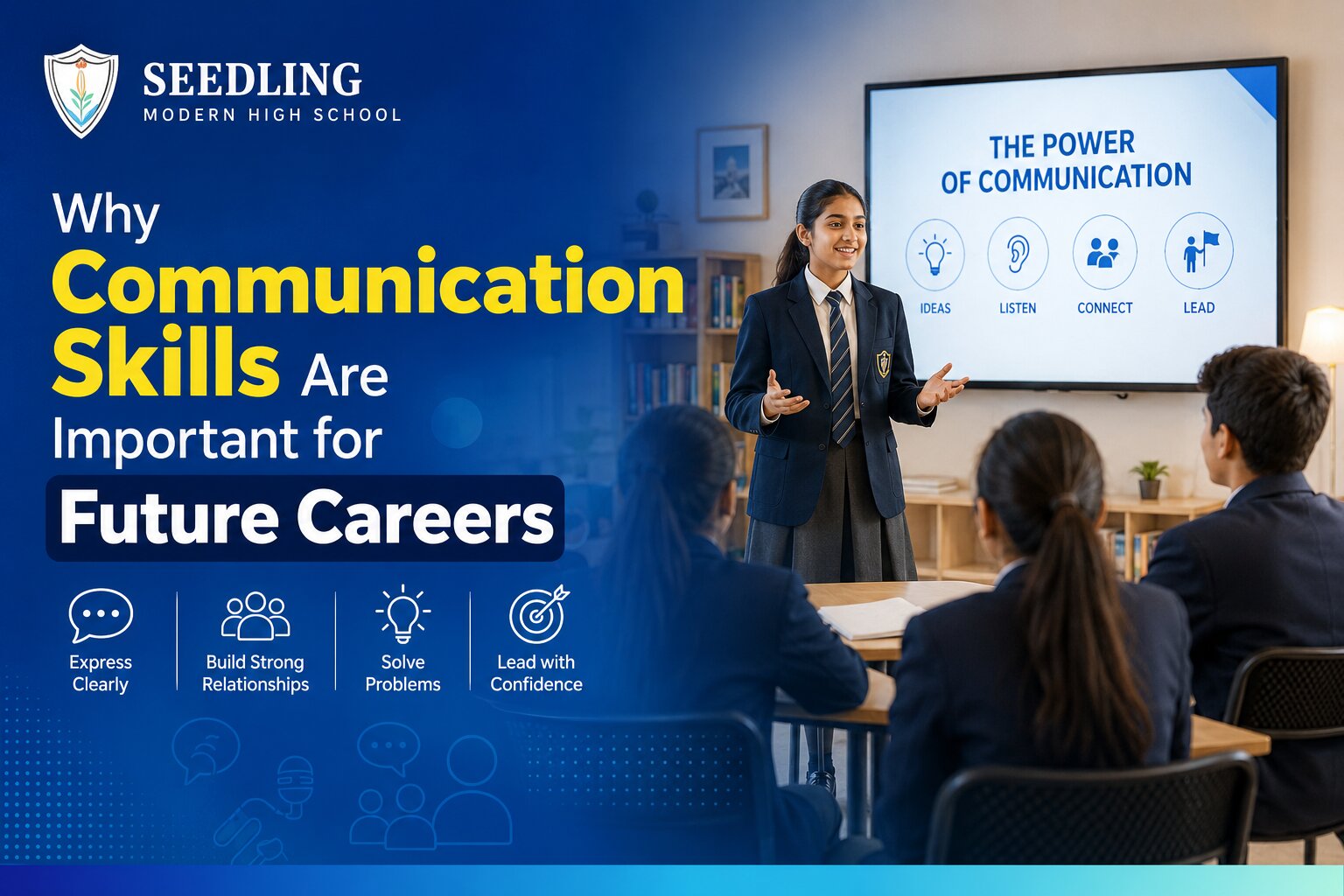
Communication is no longer considered a “soft skill.” It is one of the most valuable career skills students can acquire. If you want to become a doctor, engineer, designer, entrepreneur, scientist, or business leader, success depends not only on technical knowledge but also on the ability to communicate ideas, work with others, and solve problems well.
This is why many parents searching for the best CBSE school in Jaipur, a CBSE school in Jaipur, or an English medium school in Jaipur look beyond academic results. They also want a school that helps students develop communication skills alongside classroom learning.
The National Education Policy (NEP) 2020 highlights communication, collaboration, creativity, and critical thinking as essential competencies for preparing learners for the future workforce and life-long learning.
In This Article
Communication Is a Skill Every Career Requires
No matter which career they choose, students will need to communicate ideas, work in teams, present solutions, and build relationships over time.
Admissions Open
Give Your Child the Best Start
Join Seedling Modern High School and unlock a world-class learning environment built for tomorrow's leaders.
Apply for Admission →Strong communication skills help students:
- Express ideas clearly
- Listen to others actively
- Feel confident talking to others
- Performs effectively in teams
- Handle misunderstandings professionally
These skills are increasingly in demand by employers, because today’s workplaces require teamwork, dealing with customers, collaboration, and effective problem-solving. The World Economic Forum’s Future of Jobs Report 2025 points out that core skills such as leadership and social influence, analytical thinking, resilience, flexibility, empathy, and active listening will be required in the future workforce. Good communication helps professionals make effective use of these skills in real life.
These abilities begin developing much earlier than students realise; right inside the classroom.
Communication Skills Grow Through Everyday Learning
Communication develops gradually through regular classroom participation and meaningful learning experiences rather than occasional public speaking alone.
Students acquire these skills by:
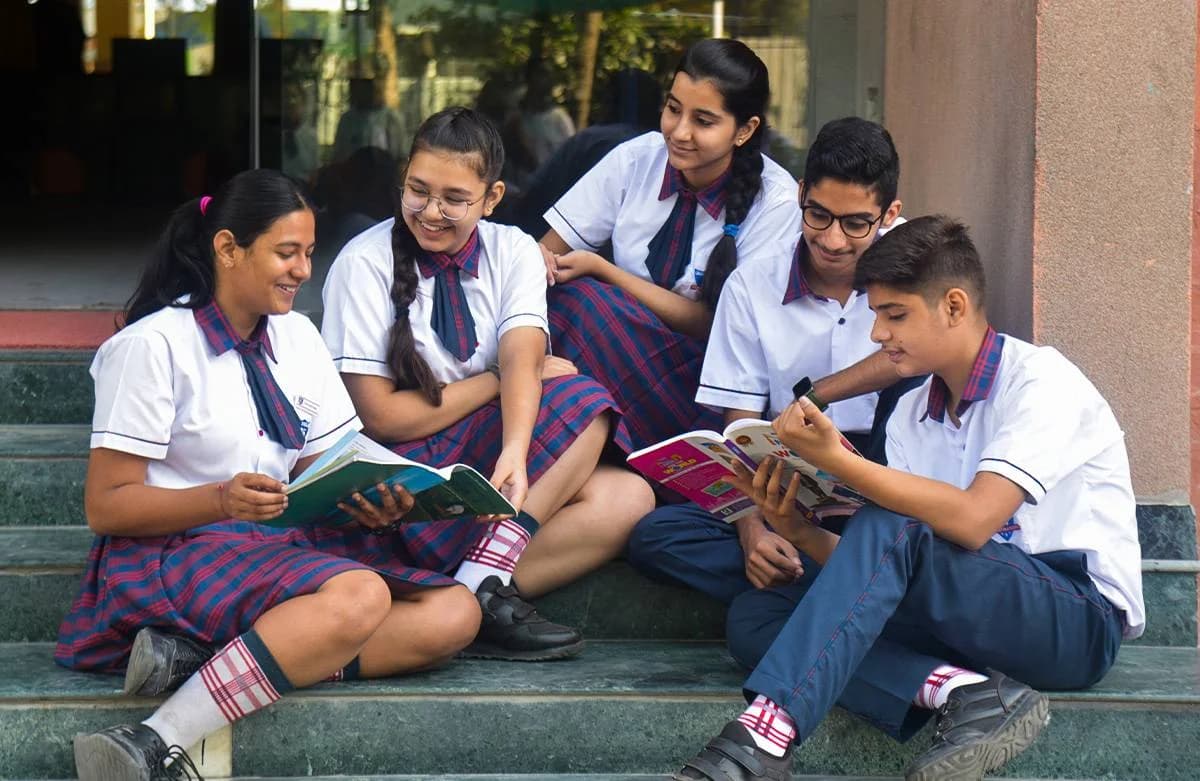
- Participating in classroom discussions
- Delivering presentations
- Collaborating on group projects
- Asking questions with confidence
- Listening to different perspectives.
The National Curriculum Framework for School Education (NCF-SE) 2023 recommends learner-centered, discussion-based, and experiential learning environments that encourage active classroom participation, collaboration, and interaction. These approaches help students build communication, critical thinking, and social competencies alongside academic knowledge.
As students become more confident communicators, they also become more effective collaborators and active participants in learning.
Better Communication Builds Better Teamwork
Modern workplaces rarely involve working alone. Professionals collaborate with colleagues, clients, and multidisciplinary teams to solve problems and achieve shared goals.
School activities such as collaborative projects, classroom discussions, theatre, sports, and group assignments help students learn to:
- Share responsibilities
- Respect different perspectives
- Give and receive constructive feedback
- Solve problems collaboratively
- Work towards shared goals
This approach aligns with the National Education Policy (NEP) 2020 and the National Curriculum Framework for School Education (NCF-SE) 2023, which promote learner-centered, experiential, discussion-based, and collaborative learning to help students develop communication, cooperation, and other essential competencies for holistic development.
UNESCO also emphasises that education should foster dialogue, participation, collaboration, and social learning to prepare learners for active participation in society and life-long learning.
Beyond strengthening teamwork, effective communication also helps students develop confidence and leadership.
Communication Creates Future Leaders
Leadership is not limited to holding a position of authority. It begins with the ability to communicate ideas clearly, collaborate with others, listen actively, and make informed decisions.
Students who regularly participate in presentations, debates, classroom discussions, cultural activities, and leadership opportunities gradually become more confident in:
- Speaking before an audience
- Explaining ideas clearly
- Responding thoughtfully to questions
- Listening to different perspectives
- Working collaboratively and influencing others positively
The National Education Policy (NEP) 2020 emphasises holistic development by developing communication, collaboration, critical thinking, creativity, and leadership as essential competencies for learners.
Similarly, the National Curriculum Framework for School Education (NCF-SE) 2023 advocates for active participation, discussion, collaborative learning, and student voice to empower learners to develop confidence, communication, and social competencies.
These experiences also allow students to develop leadership qualities that will carry them through higher education, professional careers, and everyday life.
Communication skills are useful not only at school but in any profession students may choose in the future.
Communication Matters Across Every Profession
Regardless of the career students choose, communicating ideas clearly and working effectively with others are essential workplace skills. Technical knowledge helps professionals perform their roles, while strong communication enables them to collaborate, solve problems, build relationships, and contribute effectively within teams.
| Career | How Communication Supports the Role |
| Doctor | Explains diagnoses and treatment plans to patients and families. |
| Engineer | Collaborates with multidisciplinary teams and communicates technical solutions. |
| Lawyer | Presents arguments, negotiates, and advises clients clearly. |
| Designer | Communicates ideas, user insights, and design decisions to clients and stakeholders. |
| Teacher | Explains concepts, motivates learners, and works with parents and colleagues. |
| Entrepreneur | Pitches ideas, builds customer relationships, and leads teams. |
| Manager | Guides teams, facilitates collaboration, and supports organisational goals. |
The World Economic Forum’s Future of Jobs Report 2025 identifies leadership and social influence, analytical thinking, resilience, and collaboration as some of the fastest-growing workplace skills. Developing strong communication skills during school helps students build many of these capabilities from an early age.
Students develop these workplace skills best through consistent practice in everyday school life rather than through occasional activities.
How Seedling Public School Encourages Communication Skills
At Seedling Public School, communication skills are nurtured through classroom discussions, presentations, debates, theatre, collaborative projects, leadership opportunities, and a wide range of co-curricular activities that complement academic learning.
Students are encouraged to express their ideas confidently, participate actively in classroom and school activities, work collaboratively with peers, and develop the communication and interpersonal skills that support their academic growth and future career readiness.
Conclusion
Communication is a life-long skill that helps to support academic success, professional growth, and personal confidence. Students who learn to express ideas clearly, listen well, work together productively, and think critically will be better prepared for an increasingly connected world.
For parents looking for the best CBSE school in Jaipur, a CBSE school in Jaipur, or an English medium school in Jaipur, it is worth considering how a school develops communication alongside academics. These experiences help students build the confidence, leadership, and collaboration skills needed for future careers and life-long success.
Frequently Asked Questions
1. At what age should children start developing communication skills?
Communication skills begin developing from early childhood and continue to grow through everyday learning and interaction.
2. Does reading regularly improve communication skills?
Yes. Reading expands vocabulary, improves comprehension, and helps students express ideas more clearly.
3. Can communication skills improve academic performance?
Yes. Clear communication helps students participate in class, ask questions, and explain their understanding effectively.
4. Are listening skills part of effective communication?
Yes. Active listening helps students understand others, respond thoughtfully, and build stronger relationships.
5. How can parents support communication skills at home?
Encourage conversations, ask open-ended questions, and give children opportunities to share their ideas confidently.
Ready to Enrol?
Begin Your Admission Journey
Seats are limited. Secure your child's place at Seedling Modern High School today.
Enquire Now →Written by
SPS Editorial Team
SPS Editorial Team creates trusted educational content for Seedling Public School (SPS). Our articles are developed with insights from experienced educators and academic professionals, ensuring every piece is accurate, practical, and relevant. We are committed to providing reliable resources that support students, parents, and lifelong learning.